Does Tea Expire? How to Store Loose Leaf Tea and Keep It Fresh
Teatentional
You have invested in beautiful, high quality loose leaf tea. The last thing you want is for it to go stale, lose its aroma, or absorb odors from its surroundings. So does tea expire? And how do you keep it fresh? Proper tea storage is simple, but it makes a big difference in how long your tea lasts and how good it tastes.
Here is everything you need to know.
Does Tea Expire?
Dry tea doesn't spoil the way milk or bread does. As long as it stays dry, it very rarely becomes unsafe. What it does do is lose its flavor and aroma over time. The date on a tea package is a "best by" date for quality, not a safety date.
So old tea is usually safe to drink, it just won't taste as good. The exception is tea that has gotten damp. Moisture can lead to mold, and moldy tea should always be thrown out.
Signs your tea has gone bad
- Mold: fuzzy white, green or black spots, or clumped leaves. Throw it out.
- A musty or sour smell: a sign of moisture. Throw it out.
- No smell at all: the tea is stale. It is safe, but flat. Use it for cold brew or cooking, or replace it.
- Faded color: green tea turning brown or dull is a sign it is past its best.
Does brewed tea expire?
Yes, much faster. Brewed tea left out at room temperature should be finished within about 8 hours. Kept covered in the fridge, it is best within 2 to 3 days.
How Long Does Loose Leaf Tea Last?
Properly stored loose leaf tea can keep its best flavor for a long time:
- Black Tea — 2 to 3 years
- Green Tea — 1 to 2 years (best within 6 months for peak freshness)
- White Tea — 1 to 2 years
- Oolong Tea — 1 to 2 years
- Herbal Tea — 1 to 2 years
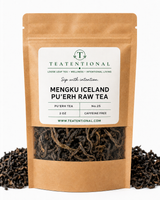
- Pu'erh Tea — Many years. Raw pu'erh like our Mengku Raw Pu'erh is made to age and can keep developing when stored well.
These are quality guidelines, not safety dates.
The Four Enemies of Tea
To understand how to store tea properly, you first need to understand what degrades it.
- Light — UV light breaks down the delicate compounds in tea leaves, fading both color and flavor. Always store tea away from direct sunlight.
- Air — Oxygen slowly degrades tea over time. This is especially damaging for green and white teas, which are prized for their fresh, delicate qualities.
- Moisture — Tea readily absorbs moisture from the air. Damp tea can develop mold and loses its flavor rapidly.
- Strong Odors — Tea leaves are incredibly absorbent and will take on the smells of whatever is stored nearby. Keep tea away from spices, coffee, and strong-smelling foods.
The Best Tea Storage Containers
The ideal tea storage container is:
- Airtight — Keeps out air and moisture
- Opaque or dark — Blocks light
- Odor-neutral — Does not impart any scent to the tea
- Dry — Never store tea in a container that is still damp
Best options:
- Tin canisters — The gold standard for tea storage. Airtight, opaque, and odor-neutral. Most Teatentional blends come in a tin, and our refill bags let you top it up.
- Dark glass jars with airtight lids — Excellent if kept out of direct light.
- Ceramic containers with tight-fitting lids — Beautiful and functional.
Avoid plastic containers as they can impart a plastic taste to delicate teas over time.
Where to Store Your Tea
The best location for tea storage is a cool, dark, dry place away from heat sources. A kitchen cupboard away from the stove and oven is ideal.
Avoid storing tea:
- Above or near the stove — Heat and steam will damage your tea
- In the refrigerator — Unless sealed airtight, tea will absorb moisture and food odors
- On a windowsill or in direct sunlight
- Near strong-smelling spices or coffee
Should You Refrigerate Tea?
Generally no — unless you are storing very high-end Japanese green teas or matcha, which benefit from cool temperatures. Even then, the tea must be in a completely airtight, moisture-proof container and brought to room temperature before opening to prevent condensation.
For everyday loose leaf teas, room temperature storage in an airtight tin or jar is perfect.
A Simple Storage Routine
When your Teatentional tea arrives, transfer it to an airtight tin or jar if not already in one. Label it with the blend name and date. Store it in a cool, dark cupboard. Use within the recommended time for the best experience.
That is it. Simple, intentional, and effective.
Frequently Asked Questions
Can you drink expired tea?
Usually, yes. If dry tea is past its date but looks and smells normal, it is generally safe. It just won't taste as fresh. Throw it out if it shows any mold or smells musty.
Does herbal tea expire?
Herbal tea loses flavor faster than black tea, usually within 1 to 2 years. Fruit pieces and flowers fade first.
Can old tea make you sick?
Dry, stale tea is very unlikely to make you sick. Tea that has been exposed to moisture and grown mold can, so don't drink it.
How can I use up stale tea?
Brew it stronger, cold brew it, or use it in cooking, like steeping it into rice water or a marinade.
Your tea deserves the same care and intention you bring to brewing it. Then put it to good use with How to Brew the Perfect Cup or How to Make Cold Brew Tea.
Steep intentionally. Sip with intention.