The 6 Types of Tea Explained: Black, Green, White, Oolong, Puerh & Herbal
Teatentional
One of the most common questions we get at Teatentional is — what is the difference between all the types of tea? If you have ever felt confused standing in front of a wall of teas wondering where to begin, this guide is for you.
The short answer? All true teas come from one plant. What makes them different is what happens after the leaves are picked.
The Tea Plant — Camellia Sinensis
Every cup of black, green, white, oolong, and pu'erh tea starts with the same plant — Camellia sinensis. This remarkable plant has been cultivated for thousands of years across Asia and beyond. The region where it is grown, the altitude, the soil, the season of harvest, and most importantly — how the leaves are processed — all determine what type of tea you end up with.
Herbal teas are the exception. They contain no Camellia sinensis and are technically called tisanes — blends of herbs, flowers, fruits, roots, and spices.
1. Black Tea
Black tea is the most widely consumed tea in the world and the boldest of the true teas. The leaves are fully oxidized — meaning they are exposed to air until they darken and develop that characteristic deep, rich flavor.
- Flavor Profile: Bold, malty, robust, sometimes earthy or smoky
- Caffeine Level: Usually the highest of the teas
- Best For: Morning ritual, replacing coffee, chai lattes, iced tea
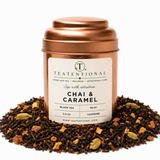
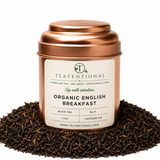
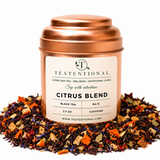
- Teatentional Blends: Chai Caramel No. 01, English Breakfast No. 11, Citrus Blend No. 13, Hold the Coffee No. 29, Lux Lady Grey No. 28
2. Green Tea
Green tea is minimally processed. After harvesting, the leaves are quickly heated — either steamed in the Japanese style or pan-fired in the Chinese style — to stop oxidation. This preserves the green color and fresh, grassy flavor.
- Flavor Profile: Fresh, grassy, vegetal, sometimes nutty or floral
- Caffeine Level: Low to moderate
- Best For: Afternoon calm, focus, a lighter cup
- Teatentional Blends: Tranquil Jasmine Pearl Green, Toasty Imperial Gyokuro Genmaicha, Sweet Apricot Cinnamon Chai, Moroccan Mint
3. White Tea
White tea is the least processed of all true teas. The leaves are simply harvested and dried with minimal handling. This makes white tea delicate, naturally sweet, and rich in natural antioxidants.
- Flavor Profile: Delicate, floral, lightly sweet, subtle
- Caffeine Level: Usually low, though it varies by tea
- Best For: Gentle morning ritual, quiet moments
- Teatentional Blends: Organic Coconut Cream No. 14, Champagne White Tea, White Tea Fusion
White tea benefits
- Rich in antioxidants. Because it is barely processed, white tea keeps a high level of natural polyphenols, including catechins, the same family of antioxidants found in green tea.
- Gentle caffeine. Most white teas have less caffeine than black tea, so they make a soft lift for the morning or afternoon.
- Naturally sweet. It rarely needs sugar, which makes it an easy swap for sweet drinks.
- Easy to brew well. Use cooler water (160 to 185°F) and it stays smooth, not bitter.
Most research on white tea has been done in the lab rather than in people, so think of it as a lovely daily cup, not a health treatment.
4. Oolong Tea
Oolong sits beautifully between green and black tea. Partial oxidation gives oolong a wide flavor range — from light and floral to dark and roasted — depending on how long oxidation is allowed to continue. It is one of the most complex and diverse tea categories.
- Flavor Profile: Ranges from light and floral to rich and toasty depending on oxidation level
- Caffeine Level: Moderate
- Best For: Afternoon tea, meditation, complexity seekers
- Teatentional Blends: Wuyi Whisper Oolong
5. Pu'erh Tea
Pu'erh is unlike any other tea. It is fermented and often aged — sometimes for years or even decades. Well-stored raw pu'erh changes and deepens with time, a little like a fine aged cheese. Pu'erh comes in two styles: raw (sheng), which is lighter and ages slowly and naturally, and ripe (shou), which is dark and earthy.
- Flavor Profile: Earthy, smooth, woodsy, sometimes mushroom-like
- Caffeine Level: Moderate
- Best For: After a meal, serious tea lovers, meditative brewing
- Teatentional Blends: Mengku Iceland Pu'erh Raw Tea, Earl Grey Cream Pu'erh No. 12
Pu'erh tea benefits
- A traditional after-meal tea. In Yunnan, China, where pu'erh comes from, it has long been enjoyed after rich, heavy meals.
- Unique fermentation. Pu'erh is fermented by natural microbes as it ages, which gives it a smooth, mellow taste and very little bitterness.
- Steady energy. It has moderate caffeine, plus L-theanine, for a calm, steady lift.
- Endless re-steeps. Good pu'erh can be steeped many times, so one serving lasts a whole afternoon.
Some small studies have looked at pu'erh and cholesterol or weight, but the research is early and limited. Enjoy it for its flavor and ritual.
6. Herbal Tea (Tisanes)
Herbal teas are caffeine-free infusions made from herbs, flowers, fruits, roots, bark, and spices. They do not contain Camellia sinensis but offer an incredible range of flavors. Many of these plants have been enjoyed for generations as part of daily wellness routines.
- Flavor Profile: As diverse as nature itself — fruity, floral, spicy, earthy, sweet
- Caffeine Level: None (caffeine free)
- Best For: Evening wind-down, cozy afternoons, after meals, bedtime
- Teatentional Blends: Sleepy Night No. 09, Immunity Support No. 08, Woman Support Ummi No. 06, Herbal Wellness No. 07, Tropical Harvest No. 03, Caramel Almond Apple No. 05, Spiced Apple Cider No. 10, Sunrise Moringa, Forest Walk, Sleep Support
What Type of Tea Is Right for You?
The beauty of loose leaf tea is that there is truly something for everyone. Here is a simple starting guide:
- If you love coffee — Start with black tea. Bold, caffeinated, and deeply satisfying.
- If you want to cut caffeine — Try green or white tea for a gentler lift.
- If you want no caffeine — Herbal teas are your world. The options are endless.
- If you want complexity — Oolong and pu'erh will fascinate you.
- If you want something light and elegant — White tea is your answer.
Wherever you start, start intentionally. Every sip is an opportunity to be present.
Ready to brew? Read How to Brew the Perfect Cup, or browse every Teatentional tea.
Steep intentionally. Sip with intention.