Does Jasmine Tea Have Caffeine? What to Know Before You Sip
Teatentional
Jasmine tea smells so soft and floral that many people assume it is an herbal tea with no caffeine. In most cases, it isn't. Here is what is actually in your cup.
What Is Jasmine Tea?
Jasmine tea is not made from jasmine leaves. It is usually green tea that has been scented with fresh jasmine blossoms. The tea leaves are layered with the flowers, often over several nights, until they soak up the fragrance. Jasmine can also be paired with white, oolong or black tea, but green tea is by far the most common base.
So, Does Jasmine Tea Have Caffeine?
Yes, if it is made with real tea leaves, which nearly all jasmine tea is. The jasmine flowers add no caffeine, but the tea leaves do.
- Jasmine green tea (8 oz): about 20 to 45 mg
- Black tea (8 oz): about 40 to 70 mg
- Brewed coffee (8 oz): about 95 mg
- Herbal tea: 0 mg
Typical ranges. The exact amount depends on the tea, the amount used and the steep time.
So a cup of jasmine green tea has roughly a quarter to half the caffeine of a cup of coffee.
What Changes the Caffeine in Jasmine Tea?
- The base tea. Jasmine black tea has more caffeine than jasmine green or white.
- Steep time and temperature. Longer steeps and hotter water pull out more caffeine (and more bitterness).
- Re-steeping. Each later steep of the same leaves has less caffeine than the first.
- Jasmine pearls. Pearls are made from young leaves and buds, which tend to be a bit higher in caffeine than older leaves.
Why Jasmine Tea Feels Calm
Green tea contains L-theanine, an amino acid found almost only in tea. Many tea drinkers find the mix of gentle caffeine and L-theanine gives a calm, focused feeling rather than a jittery one. Add jasmine's soft aroma, and it is easy to see why jasmine tea feels so relaxing, even though it has caffeine.
Our Jasmine Teas
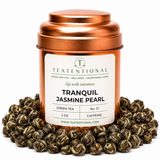
Tranquil Jasmine Pearl Green | Floral Loose Leaf Green Tea
Hand-rolled green tea pearls scented with jasmine. They slowly unfurl as they steep, releasing a sweet floral aroma and a smooth green tea flavor. Lovely for an afternoon break, creative work or reading.
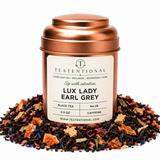
Lux Lady Grey Loose Leaf Tea | No. 28
Black tea and jasmine green tea with orange, rose petals, lemongrass, cornflower and bergamot. Bolder than straight jasmine and higher in caffeine because of the black tea, so it is a great morning choice.
How to Brew Jasmine Pearls
- Heat water to about 175°F. Boiling water will scorch the leaves and make the tea bitter.
- Use about 1 teaspoon of pearls (6 to 8 pearls) per 8 oz of water.
- Steep for 2 to 3 minutes. Watch the pearls open up.
- Strain, and re-steep the same pearls 2 or 3 more times, adding 30 seconds each time.
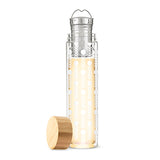
A clear glass cup or a glass travel infuser mug lets you see the pearls unfurl.
Want Floral Without the Caffeine?
Try a caffeine-free floral herbal blend in the evening, like Coconut Cream Lavender Rooibos No. 2 or Forest Walk, which has linden, heather and peony petals. See all of them in Caffeine-Free Teas for Any Time of Day.
Frequently Asked Questions
Is jasmine tea caffeine free?
Usually not. Most jasmine tea is made with green tea, which contains caffeine. Only jasmine-flavored herbal blends with no tea leaves are caffeine free.
Does jasmine tea have more caffeine than coffee?
No. A cup of jasmine green tea has roughly a quarter to half the caffeine of brewed coffee.
Can I drink jasmine tea at night?
If you are sensitive to caffeine, it is best earlier in the day. A late-afternoon cup is fine for many people.
Does jasmine tea have more caffeine than regular green tea?
About the same. The caffeine depends on the base tea, not the jasmine.
Shop Tranquil Jasmine Pearl Green
Steep intentionally. Sip with intention.
Related Reading
Keep exploring with Does Chai Have Caffeine?, The 6 Types of Tea Explained and The Art of the Afternoon Steep.