Best Tea for Sleep: 6 Caffeine-Free Bedtime Teas to Help You Unwind
Teatentional
Lying awake replaying the day is one of the most common struggles there is. A warm, caffeine-free cup of tea will not fix poor sleep on its own, but it can be a calming signal to your body and mind that the day is over. Here are the best teas for sleep, the herbs behind them, and how to build a bedtime tea habit that helps you unwind.
What Makes a Good Bedtime Tea?
- No caffeine. This is the most important rule. Black, green, white and oolong teas all contain caffeine, which can stay in your system for hours. At night, stick to herbal blends.
- Calming herbs. Chamomile, valerian, lavender, lemon verbena and linden have long been used in evening teas.
- A comforting flavor. Sweet, creamy or fruity cups make the ritual something you look forward to.
The Herbs Behind Bedtime Teas
Chamomile
The best-known bedtime herb. Chamomile has been used for relaxation for centuries, and a few small studies suggest it may help some people with sleep quality. It tastes soft, floral and slightly apple-like.
Valerian root
Valerian has been used as a sleep herb since ancient Greece and Rome. Research on whether it helps people fall asleep is mixed, with some studies showing a small benefit and others showing none. It has a strong, earthy taste, so it is usually blended with sweeter ingredients.
Lavender
Lavender is loved for its calming scent. Most of the research is on breathing in its aroma rather than drinking it, but a lavender tea makes a fragrant, soothing part of a wind-down routine.
Rooibos and honeybush
Neither is a sleep herb, but both are naturally caffeine free and naturally sweet, which makes them the perfect base for bedtime blends.
The Best Teatentional Teas for Sleep
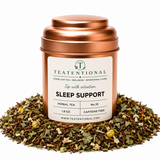
1. Sleep Support | Calming Chamomile Herbal Loose Leaf Blend
Our go-to bedtime tea. Chamomile and rooibos with cool peppermint, tart cherry, kiwi and cranberry, finished with coconut. Smooth, fruity and soothing. This is the one for busy minds that won't quiet down.
2. Sleepy Night Tea | Herbal Sleep and Relaxation Blend | No. 09
Our valerian root tea. A rooibos base with chamomile and valerian, softened with apple, coconut, caramel and toffee. The sweet, creamy flavors balance valerian's earthy taste, so it tastes like a treat.
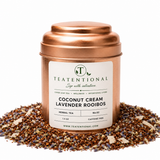
3. Coconut Cream Lavender Rooibos | Caffeine Free Herbal Blend | No. 2
Rooibos with coconut, cream caramel and lavender petals. It tastes like dessert in a cup, with a soft floral finish. Note: the cream caramel contains milk.
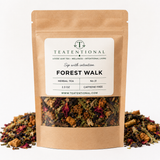
4. Forest Walk | Nature Inspired Herbal Loose Leaf Tea Blend
Greek mountain tea with lemon verbena, linden blossoms, applemint, hibiscus and Manuka honey powder. Earthy, floral and gently sweet. Lemon verbena and linden are both classic evening herbs in Europe.
5. Caramel Almond Apple Tea | Herbal Dessert Loose Leaf Blend | No. 05
For the after-dinner sweet tooth. Honeybush, apple and almond with caramel notes, completely caffeine free. Let it stand in for dessert. Note: contains nuts.
6. Herbal Wellness Tea Blend | Caffeine Free Daily Wellness Blend | No. 07
A warm, spiced cup of liquorice, cinnamon, ginger, fennel, cardamom and more. Not a sleep blend, but a cozy caffeine-free choice right after dinner. Check with your doctor if you have high blood pressure, as it contains liquorice.
A Simple Bedtime Tea Routine
- Cut the caffeine early. Switch to herbal tea by early afternoon.
- Brew 30 to 60 minutes before bed. That gives you time to enjoy it without waking up for the bathroom later.
- Keep the cup small. 6 to 8 oz is plenty.
- Dim the lights and put the phone away. Bright screens make it harder to wind down.
- Sip slowly. Let the cup be the start of your rest, not one more task.
For a full evening ritual, read Wind Down With Intention.
A Note on Safety
- Valerian can make you drowsy. Don't drive after drinking it, and don't combine it with alcohol, sleep medicine or sedatives.
- If you are pregnant, nursing or take medication, check with your doctor before using herbal teas, especially those with valerian or liquorice.
- Chamomile is in the same plant family as ragweed. If you have a ragweed allergy, take care.
Tea is a calming ritual, not a sleep treatment. If you have trouble sleeping most nights, talk to your doctor.
Frequently Asked Questions
What is the best tea to help you sleep?
A caffeine-free herbal tea with chamomile or valerian is the classic choice. Try Sleep Support for chamomile, or Sleepy Night No. 09 for chamomile and valerian together.
When should I drink tea before bed?
About 30 to 60 minutes before bed works well for most people.
Does chamomile tea make you sleepy?
It does not knock you out like a sleeping pill. Many people find it relaxing, and a few small studies suggest it may help with sleep quality.
Is valerian root tea safe to drink every night?
Valerian is generally used for short periods. If you plan to drink it nightly for more than a few weeks, or you take any medication, check with your doctor.
Can I drink green tea before bed?
It is best not to. Green tea contains caffeine. Choose an herbal blend in the evening instead.
Shop all caffeine-free herbal teas
Steep intentionally. Sip with intention. Rest well.
Related Reading
Keep exploring with Wind Down With Intention: The Best Teatentional Teas for Your Evening Ritual, Tea for Every Mood: How to Choose Your Blend Based on How You Feel and The Health Benefits of Loose Leaf Tea: What Your Cup Is Really Doing for You.