The Health Benefits of Loose Leaf Tea: What Your Cup Is Really Doing for You
Teatentional
Tea is the second most consumed beverage in the world after water. And for good reason. For thousands of years, cultures across the globe have turned to tea for comfort, clarity and a moment of calm. Modern research is now taking a closer look at what tea drinkers have long enjoyed.
Here is what is actually in your cup of loose leaf tea.
Rich in Antioxidants
True tea — green, white, black, oolong and pu'erh — is naturally rich in plant compounds called polyphenols, which act as antioxidants.
Green and white teas are especially known for a polyphenol called EGCG (epigallocatechin gallate), one of the most studied plant compounds in the world. Read more about white tea and pu'erh benefits.
A Long History With the Heart
Researchers have spent decades studying tea drinkers, and regular tea drinking has often been associated with heart health in observational studies. The research is still developing, but it is one more reason a daily cup feels like a good habit. Black and green teas are the most studied.
Calm, Focused Energy
True tea contains two compounds that work beautifully together — caffeine and L-theanine. Caffeine provides alertness, while L-theanine, an amino acid found almost only in tea, is associated with a relaxed, focused feeling.
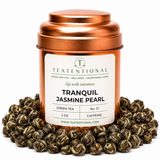
Many tea drinkers describe this combination as alert calm — a steady, gentle energy for focused work, creative thinking, or intentional living. Try Tranquil Jasmine Pearl Green for an afternoon cup, and see how much caffeine jasmine tea has.
A Gentle After-Meal Cup
Herbs like ginger, peppermint, and chamomile have long been enjoyed after meals as a warm, settling cup. Many tea cultures also enjoy pu'erh after a rich meal. See our picks in Tea for Bloating and an Upset Stomach.
Comforting Cold-Weather Blends
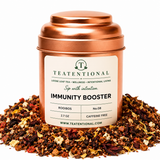
Warming, tangy ingredients like ginger, rosehip and citrus peel have been traditional cold-weather favorites for generations. Our Immunity Support blend brings them together in a caffeine-free cup for chilly days. More in Best Tea for a Sore Throat and Cold and Elderberry Tea.
Unwinding and Rest
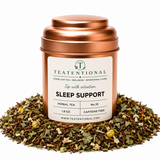
Chamomile, lavender, and lemon balm have long been used in evening teas to help people relax and slow down. Our Sleepy Night and Sleep Support blends are crafted with exactly this intention — a calm, caffeine-free bedtime ritual. Read Best Tea for Sleep for the full guide.
Hydration
Many people do not drink enough water. Herbal and low-caffeine teas are an easy way to stay hydrated while enjoying genuine flavor. Unlike sugary drinks, a plain cup of herbal tea counts toward your daily fluid intake with nothing added. Find one you love in Caffeine-Free Teas for Any Time of Day.
A Note on Whole Leaf vs Tea Bags
Whole leaves hold on to their natural oils and aroma better than the broken dust and fannings found in most standard tea bags, which is why loose leaf tends to taste fresher and fuller. Read more in Loose Leaf vs Tea Bags.
Your Daily Cup Is an Act of Self-Care
At Teatentional, we believe that every cup of tea is an opportunity to nourish yourself intentionally. Not just physically — but mentally too. The act of slowing down, brewing mindfully, and drinking with gratitude is self-care in its most accessible form.
Tea is a beverage, not a treatment. If you are pregnant, nursing, or take medication, check with your doctor about herbal ingredients.
Find your blend in The 6 Types of Tea Explained.
Steep intentionally. Sip with intention.
Related Reading
Keep exploring with Tea and Wellness: How Your Daily Cup Supports a Healthy Routine, Moringa Tea: What It Is, Benefits and How to Brew It, The Woman's Cup: Teas for Her Wellness, Her Strength, and Her Ritual and Wind Down With Intention: The Best Teatentional Teas for Your Evening Ritual.