Tea for Bloating and an Upset Stomach: 5 Soothing Cups to Try
Teatentional
That heavy, bloated feeling after a big meal is something almost everyone knows. For generations, people have reached for a warm cup of mint, ginger or fennel afterward. Tea is not a cure for stomach problems, but a warm, gentle cup can be a comforting part of your after-meal routine.
The Classic Herbs for Digestion
Peppermint
Peppermint is the best-known after-meal herb. Most of the research has been on peppermint oil capsules for irritable bowel syndrome, which have shown some benefit. Peppermint tea is much milder, but many people find it soothing. One caution: peppermint can make heartburn and acid reflux worse for some people.
Ginger
Ginger has a long history for queasy stomachs, and research supports it for some kinds of nausea. It is warming, spicy and comforting in a cup.
Fennel
Fennel seeds are eaten after meals in many cultures, especially in South Asia. They have a sweet, licorice-like flavor and are a traditional remedy for gas and bloating.
Chamomile
Gentle and calming. Chamomile has been used for upset stomachs for centuries and is a soft, caffeine-free choice in the evening.
Best Teatentional Teas for Bloating and Digestion
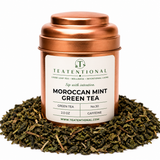
1. Moroccan Mint | Traditional North African Mint Green Loose Leaf Tea
Organic peppermint and spearmint with gunpowder green tea. Cool, fresh and lightening after a heavy meal. It contains green tea, so it has some caffeine; enjoy it earlier in the day.
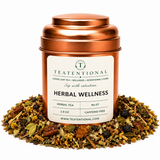
2. Herbal Wellness Tea Blend | No. 07
A caffeine-free blend of fennel, ginger, cardamom, coriander, aniseed, cinnamon, liquorice and more. Warm, spiced and full of the classic after-meal herbs. It contains liquorice, so check with your doctor if you have high blood pressure.
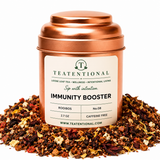
3. Immunity Support Tea | Ginger and Rosehip Herbal Blend | No. 08
A caffeine-free rooibos blend with ginger and rosehip. A warming, fruity cup when you want ginger without caffeine.
4. Sleep Support
Chamomile and peppermint on a caffeine-free rooibos base. A gentle choice after dinner, when you want something soothing before bed.
5. Earl Grey Cream Pu'erh Tea | No. 12
In China, pu'erh is a classic tea to drink after rich meals. This blend adds bergamot and a smooth, creamy finish. It contains caffeine.
How to Make the Most of Your After-Meal Cup
- Drink it warm, not scalding. Let the cup cool for a minute.
- Sip slowly 15 to 30 minutes after eating.
- Skip the sugar or keep it light.
- Add fresh ginger. A thin slice in any cup adds extra warmth.
- Pay attention to triggers. If peppermint gives you heartburn, choose ginger or fennel instead.
When to See a Doctor
Tea is comfort, not treatment. See a doctor if bloating or stomach pain is severe, keeps coming back, or comes with weight loss, vomiting, blood in your stool, fever, or trouble swallowing. If you are pregnant, nursing or take medication, check with your doctor before using herbal teas.
Frequently Asked Questions
What tea is best for bloating?
Peppermint, fennel and ginger are the traditional choices. Moroccan Mint (peppermint) and Herbal Wellness No. 07 (fennel and ginger) are our top picks.
What tea is good for an upset stomach?
Ginger and chamomile are gentle, caffeine-free choices. Try Immunity Support No. 08 for ginger, or Sleep Support for chamomile.
Is peppermint tea bad for acid reflux?
It can be for some people, because peppermint may relax the muscle that keeps stomach acid down. If you get reflux, try ginger or fennel instead.
When should I drink tea for digestion?
Most people enjoy it 15 to 30 minutes after a meal.
Shop all caffeine-free herbal teas
Steep intentionally. Sip with intention.
Related Reading
Keep exploring with Tea and Food Pairing Guide: What to Sip With Every Meal, Moroccan Mint Tea: History and How to Make It and Tea and Wellness: How Your Daily Cup Supports a Healthy Routine.