Best Tea for Allergies: Getting Through Willamette Valley Pollen Season
Teatentional
Ask anyone who moved to Portland from somewhere else, and there is a good chance they will tell you the same story: their allergies were fine until their second or third spring here. The Willamette Valley is one of the biggest grass seed growing regions in the world, and the green, mild climate that makes this place so beautiful also keeps something blooming for much of the year.
Portland's Allergy Calendar
- Late winter into spring: tree pollen, starting with alder and moving through birch, oak and others as the city leafs out.
- Late spring into early summer: grass pollen, the big one for many people here, peaking around June.
- Late summer: weed pollen, and in some years, wildfire smoke that can irritate the nose and throat on top of everything else.
Tea won't stop any of this. Antihistamines, nasal sprays and a conversation with your doctor do the heavy lifting. But a warm cup can make the itchy, stuffy, foggy days feel a lot more bearable.
How a Warm Cup Helps During Allergy Season
Steam
Breathing in the warm steam from a mug can help a stuffy nose feel a little clearer and soothe dry, irritated passages. Lean over your cup for a minute and breathe slowly before you sip.
Fluids
Staying hydrated helps keep mucus thin, and a warm drink is easier to keep up with than plain water.
Menthol from mint
Peppermint contains menthol, which creates a cool sensation in the nose and throat. It doesn't actually open your airways, but it can make breathing feel easier, which is often what you want on a heavy pollen day.
A soothing ritual
Allergy fatigue is real. Stopping for a warm, gentle cup is a small way to take care of yourself through a long season.
Why We Skip the Chamomile in Pollen Season
Chamomile is the calming tea everyone reaches for, but it belongs to the daisy family, the same family as ragweed. For people with that allergy, it can make symptoms worse, not better. The same goes for marigold, cornflower and sunflower, which show up in a lot of herbal blends, ours included. If ragweed is one of your triggers, read ingredient lists closely, or stick with the first two teas below, which contain none of them.
What About Local Honey?
You will hear that a spoonful of local honey helps with allergies. It is a lovely idea, and Oregon honey is delicious in tea, but research hasn't shown that it reliably reduces allergy symptoms. Enjoy it for the flavor and the soothing feel on a scratchy throat.
The Best Teatentional Teas for Allergy Season
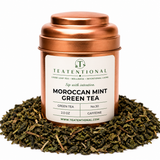
1. Moroccan Mint
Just three ingredients: peppermint, spearmint and gunpowder green tea. Cool, clean and minty, with no daisy-family flowers, so it is our top pick if you have a ragweed allergy. Great hot, and excellent iced on warm June afternoons. Read its story in Moroccan Mint Tea: History and How to Make It.
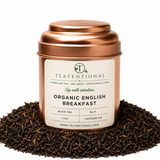
2. Organic English Breakfast | No. 11
A single ingredient: organic black tea. When pollen leaves you foggy in the morning, a strong, simple cup helps you get going without a long ingredient list to worry about.
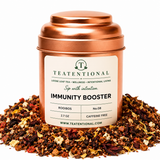
3. Immunity Support Tea | No. 08
Caffeine-free rooibos with ginger, tulsi, rosehip and citrus. Warming and tangy. It does contain marigold flowers, so skip it if you react to ragweed.
4. Citrus Blend Tea | No. 13
Black tea with citrus, ginger, lemongrass and a touch of eucalyptus. Bright and refreshing, and lovely iced with lemon. Contains liquorice and cornflower.
Bring the Steam to the Shower
After a day outside, pollen sits on your skin and hair. A warm shower or bath before bed rinses it off so you aren't sleeping in it. Our Eucalyptus Bath Soak adds a fresh, cooling aroma to the steam.
A Few More Pollen-Season Habits
- Check the daily pollen count and plan long walks for lower-count days or after rain, which knocks pollen out of the air.
- Keep bedroom windows closed on high-pollen days, especially in the morning.
- Change clothes and wash your face after time outside.
Safety Notes
- Liquorice (in Citrus Blend No. 13) can raise blood pressure in some people.
- If you are pregnant, nursing or take medication, check with your doctor about herbal ingredients.
- Tea is not a treatment for allergies or asthma. If you are wheezing, short of breath or your symptoms aren't controlled, see a doctor.
Related Reading
Keep exploring with Herbal Tea for Congestion, Best Tea for a Sore Throat and Cold and How to Make Cold Brew Tea.
Steep intentionally. Breathe easy.