Why Your Skin Gets So Dry in a Portland Winter (Even Though It Rains Every Day)
Teatentional
It is one of the great Portland mysteries. It has rained for three weeks straight, your jacket never fully dries, and yet your knuckles are cracking, your shins are flaky and your lips feel like paper. How can skin be this dry in a city this wet?
The answer is that your skin doesn't live outside. It lives in your heated apartment, your car with the vents blasting, and the office with the furnace running all day.
Why Skin Gets Dry in Winter
1. Heated indoor air is surprisingly dry
Cold air can only hold a small amount of moisture, even when it feels damp. When that air comes inside and gets heated to 68°F, its relative humidity drops sharply. So while the weather report says the air is humid, the air around you indoors may be quite dry, and it pulls moisture from your skin all day and all night.
2. The east wind
A few times each winter, cold, dry air pours out of the Columbia River Gorge and across the city. Those east wind days feel sharp on your face for a reason: the air is both cold and dry, and exposed skin on your cheeks, lips and hands takes the hit.
3. Long, hot showers
After a wet bike commute or a soggy walk to the MAX, a hot shower feels amazing. But hot water strips away the natural oils that keep your skin barrier sealed. The longer and hotter the shower, the drier you feel afterward.
4. Hand washing and gloves
Winter is cold and flu season, so we wash our hands more. Add wet gloves and cold handlebars, and hands are often the first place dryness shows up.
A Simple Portland Winter Skincare Routine
Step 1: Warm, not hot, and shorter
Keep showers warm and around 5 to 10 minutes. Pat skin dry instead of rubbing it.
Step 2: Oil on damp skin, within a few minutes
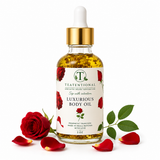
The best time to moisturize is right after bathing, while skin is still a little damp. Massage in a body oil to soften and replenish. Our Rose Body Oil for Dry Skin is olive oil infused with rose petals, calendula and black seed oil, and it glides on easily over damp skin. Read why in Why Oil-Based Skincare Works.
Step 3: Seal it in with a butter
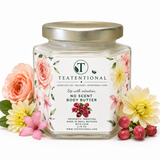
Oil absorbs quickly; butter forms a heavier protective layer on top. Winter needs both. On very dry areas like shins, elbows, knees and feet, layer a richer butter over the oil to lock moisture in. Our Unscented Whipped Body Butter is shea butter, coconut oil and sweet almond oil with no fragrance at all, which makes it a good pick for sensitive or easily irritated skin. If you like a calming scent before bed, try the Lavender Whipped Body Butter.
Step 4: Give your hands their own plan
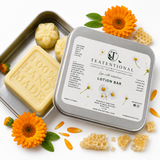
Keep a solid moisturizer by the sink and in your bag. The Chamomile Rose Lotion Bar is cocoa butter and beeswax in a travel tin, so it rides along in your coat pocket without leaking. For cracked knuckles and rough cuticles, a thin layer of our Calendula Skin Relief Salve at night works well.
Step 5: Don't forget your face and lips
Lips have almost no oil glands of their own, so they dry out first on east wind days. Our Rose Lip Oil is jojoba, sweet almond, olive oil and vitamin E. For your face, a few drops of Calendula and Rose Face Oil on slightly damp skin at night helps with tight, dry patches.
Step 6: Add moisture back to the air
A humidifier in the bedroom makes a real difference over a long winter. Even a pot of tea steaming on the desk helps a little, and it gives you an excuse for another cup.
Step 7: Exfoliate gently, once a week
Flaky skin can make moisturizer sit on top instead of soaking in. A gentle sugar scrub once a week, followed by oil and butter, keeps things smooth. Don't scrub skin that is cracked or irritated.
Sip Your Way to Better Skin, Too
Dry indoor air also makes it easy to forget to drink. A warm caffeine-free tea counts toward your daily fluids and is much more appealing than cold water on a 40-degree day. See Caffeine-Free Teas for Any Time of Day.
Safety Notes
- Our whipped body butters, sugar scrubs and lip oil contain sweet almond oil. Skip them if you have a tree nut allergy.
- Patch test any new product on a small area first, especially if you have sensitive skin.
- See a doctor or dermatologist if your skin cracks and bleeds, looks infected, or itches so much it keeps you up at night. Severe winter dryness can be eczema, which may need more than moisturizer.
Related Reading
Keep exploring with Whipped Body Butter for Dry Skin, The Complete Natural Body Care Ritual and The Benefits of Using Lotion Bars.
Care for yourself intentionally, inside and out.